
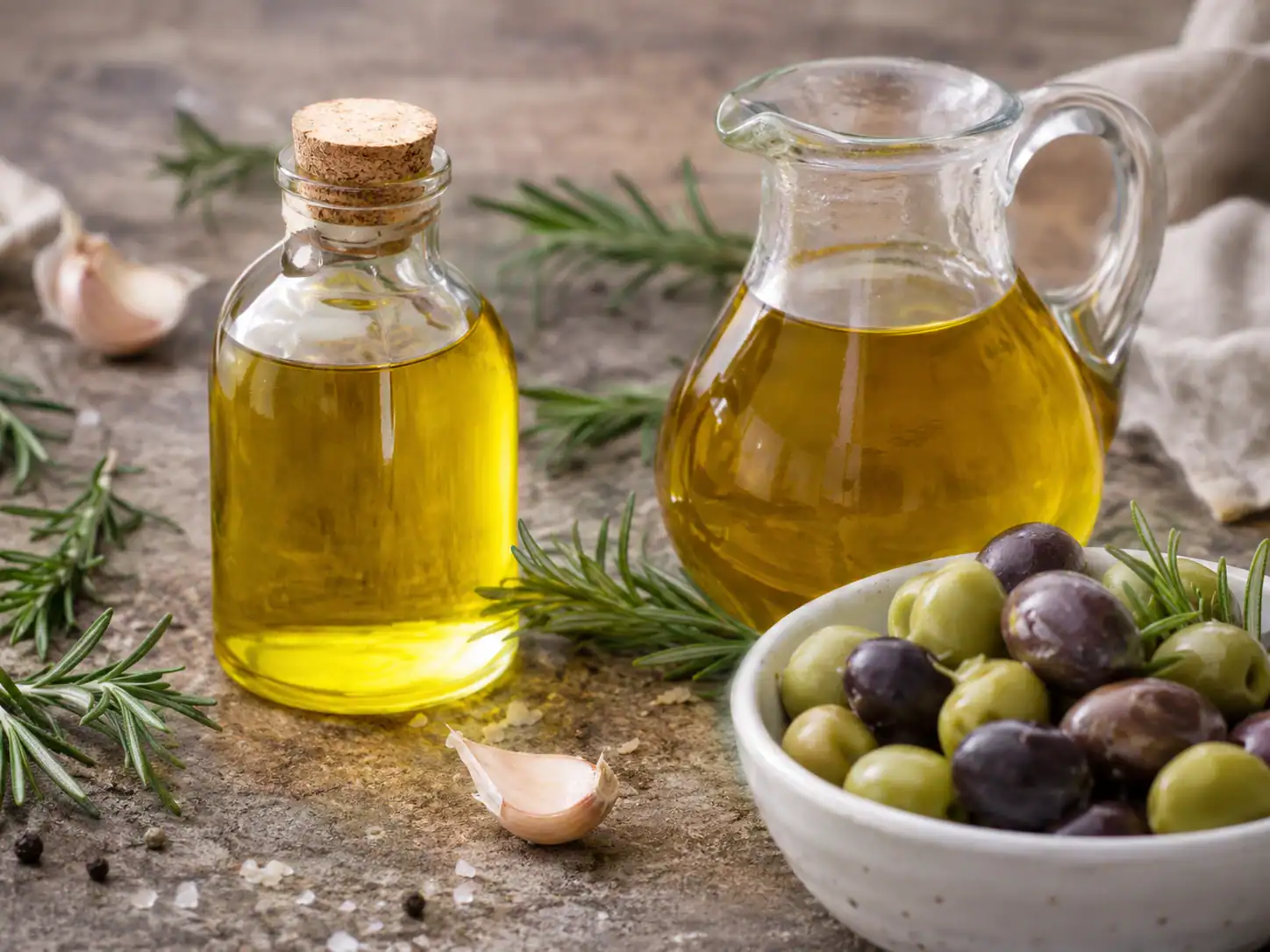
Olive oil is one of the simplest ingredients in Mediterranean cooking. It is used on vegetables, beans, soups, salads, fish, bread, grains, and small plates that do not need much decoration.
This article is not about using olive oil as a wellness shortcut. It is about using it in real meals: how much feels practical, when it works best, and how to make it part of everyday cooking without overthinking it.
Why Olive Oil Belongs at the Table
In many Mediterranean homes, olive oil is not treated as a special ingredient saved for rare moments.
It sits near the kitchen, appears at lunch and dinner, and often finishes a dish just before serving. A drizzle over tomatoes, beans, roasted vegetables, soup, or bread can make simple food feel complete.
The value is partly practical: olive oil brings flavor, texture, and richness to food that might otherwise feel plain.
How Much Olive Oil to Use
There is no perfect amount that fits every person or every meal.
A practical approach is to use olive oil where it improves the food: a spoonful in a dressing, a drizzle over cooked vegetables, a little in a pan, or a finishing touch over beans, fish, soup, or grains.
The goal is not to pour it everywhere. The goal is to use enough that the food tastes better and feels more satisfying.
Use It With Vegetables
Vegetables are one of the best places to use olive oil.
Tomatoes, cucumbers, peppers, zucchini, eggplant, greens, carrots, fennel, and potatoes all work well with olive oil. It can be used raw in salads, added before roasting, or drizzled over cooked vegetables at the end.
A plate of vegetables with olive oil, lemon, herbs, and a little salt can feel very Mediterranean without needing much else.
Add It to Beans and Legumes
Olive oil works beautifully with legumes.
Lentils, chickpeas, white beans, fava beans, and split peas often taste better with olive oil added at the end. It softens the dish, carries the herbs, and makes a simple bowl feel more complete.
Try it with lentil soup, bean salads, chickpea spreads, or warm beans with lemon and parsley.
Use It in Simple Breakfasts
Olive oil can also belong at breakfast.
Toast with olive oil and tomato, eggs with herbs, warm bread with olive oil, or yogurt-based plates with savory toppings can all fit a Mediterranean morning.
It does not need to be complicated. Sometimes bread, olive oil, tomatoes, and coffee are enough.
Finish Soups and Stews
A small drizzle of olive oil at the end can change a soup or stew.
It works especially well with lentil soup, vegetable soup, bean stew, tomato soup, chickpea dishes, and simple greens. Add it after cooking, just before serving, so the flavor stays fresh.
This is one of the easiest ways to make a humble meal feel warmer and more finished.
Use It With Fish and Seafood
Fish and seafood often need very little when olive oil is used well.
A little olive oil, lemon, parsley, garlic, tomatoes, or oregano can be enough. Use it before cooking, during cooking, or as a finishing drizzle after the fish comes off the heat.
The best Mediterranean fish dishes usually stay simple.
Do Not Use One Bottle for Everything
A mild everyday extra virgin olive oil can work well for cooking and basic meals.
A more flavorful bottle is better for salads, bread, tomatoes, grilled vegetables, beans, and finishing dishes where you can really taste it.
This keeps the kitchen practical. You do not need the most expensive bottle for every use.
For choosing a bottle more carefully, our Olive Oil 101 guide explains labels, harvest dates, origin, packaging, and common marketing traps.
Store It Where It Stays Fresh
Olive oil is better when it is protected from heat and light.
Keep the bottle closed, away from the stove, and out of direct sun. Dark glass, tins, or a cool cupboard are usually better than a clear bottle sitting in bright light.
Buy a size you can finish while the oil still tastes fresh.
A Simple Mediterranean Habit
Olive oil works best when it belongs naturally to the meal.
Use it with vegetables. Add it to beans. Finish soups with it. Make simple dressings. Serve it with bread. Drizzle it over fish or warm grains. Keep it close enough to use, but not so automatic that every dish tastes the same.
The best use of olive oil is not about rules. It is about making simple food taste better.
For a practical place to start, try it in a Mediterranean summer salad with cucumbers, tomatoes, herbs, feta, lemon, and olives.